
"In the evening of life, we will be judged on love alone."
Saint John of the Cross knew intimately what Christ means when He speaks of remaining in divine love. This sixteenth-century mystic understood that God's love requires not emotional feelings, but radical obedience and trust. His mystical writings on remaining in God's love through the dark night of the soul echo Jesus' words about keeping the commandments as the path to joy.
The Mystic of Ávila's Dark Nights
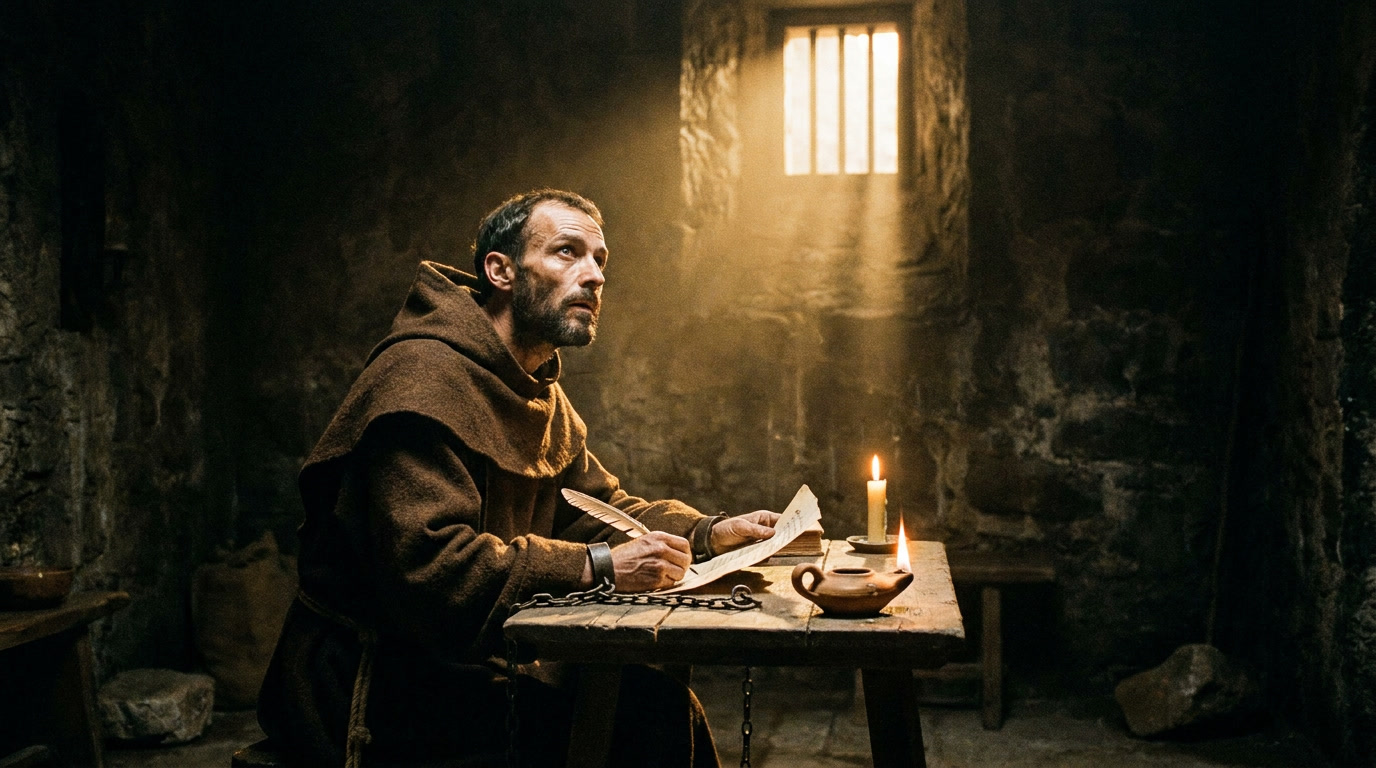
Born Juan de Yepes in 1542, John experienced poverty and abandonment early in life. After joining the Carmelites, he partnered with Teresa of Ávila to reform their religious order. His efforts to restore authentic spiritual life led to imprisonment by his own brothers in religion. In a tiny cell in Toledo, chained and beaten, John discovered what it means to remain in Christ's love when all consolation disappears.
During nine months of captivity, John composed some of Christianity's greatest mystical poetry. The Dark Night of the Soul and the Spiritual Canticle emerged from this crucible of suffering. He learned that remaining in God's love often requires walking through darkness without feeling God's presence.
Keeping Commandments Beyond Emotion
John of the Cross understood that remaining in divine love transcends emotional experience. When Christ says "keep my commandments," John teaches this means surrendering our own will completely to God's will. The saint distinguished between spiritual consolations and authentic love. Consolations come and go; love endures through obedience.
His doctrine of spiritual detachment shows how keeping God's commandments purifies the soul. John taught that attachment to anything other than God—even spiritual feelings—prevents complete union with divine love. This wisdom applies directly to modern disciples who mistake emotional highs for authentic spiritual growth.
Complete Joy Through Spiritual Poverty
The complete joy Jesus promises appears paradoxical in John's mystical theology. True joy comes not from having spiritual experiences, but from having nothing except God. John's famous maxim "to have all, desire nothing" reflects Christ's teaching about remaining in love through obedience rather than seeking consolation.
This mystical understanding transforms daily Christian living. When difficulties arise, John's wisdom suggests looking beyond circumstances to find God's love present in the darkness. Praying with Saint John of the Cross teaches discernment between authentic spiritual growth and mere emotional satisfaction.
Pray in the Spirit of Saint John of the Cross
Enter prayer seeking nothing but God's will. Release expectations of consolation or spiritual feelings. Ask for grace to remain in divine love when darkness comes. Trust that Christ's joy dwells in souls surrendered completely to the Father's commandments, just as John discovered in his prison cell centuries ago.
Frequently Asked Questions About Saint John of the Cross
What is Saint John of the Cross known for?
Saint John of the Cross is known for his mystical writings on the dark night of the soul and his role in reforming the Carmelite order with Saint Teresa of Ávila. His poetry and spiritual treatises describe the journey to complete union with God through detachment and surrender.
How can Saint John of the Cross help with spiritual dryness?
Saint John of the Cross teaches that spiritual dryness often indicates God's deeper work in the soul. His doctrine shows that periods without spiritual consolation can be times of greatest spiritual growth, as the soul learns to love God purely rather than seeking emotional rewards.