
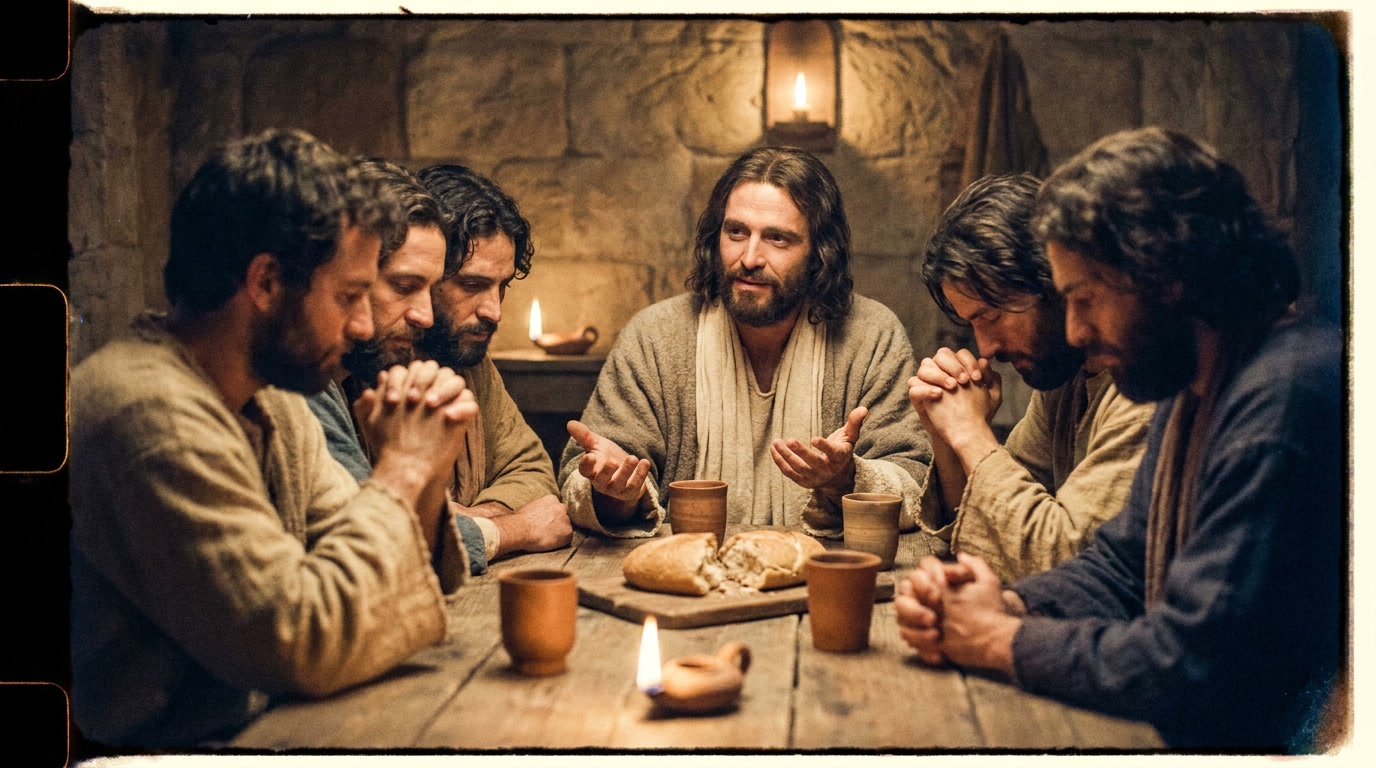
"As the Father loves me, so I also love you. Remain in my love. If you keep my commandments, you will remain in my love, just as I have kept my Father's commandments and remain in his love. I have told you this so that my joy might be in you and your joy might be complete." - John 15:9-11
Christ speaks these words to his disciples in the final hours before his passion. The command to remain in divine love echoes through centuries of Christian spiritual tradition. This passage from John 15:9-11 reveals the profound connection between obedience, love, and the complete joy that Christ promises his followers.
The Foundation of Divine Love
Jesus establishes the pattern of love that flows from Father to Son to disciples. This is not merely human affection but the very life of the Trinity extended to creation. The Father's love for the Son becomes the measure and source of Christ's love for his followers.
Saint John of the Cross understood this divine love as the foundation of all spiritual progress. The soul that grasps this fundamental truth—that divine love is both gift and invitation—begins the journey toward union with God. This love requires no earning, yet it demands response.
The disciples receive not a diminished version of divine love but the same quality of love that exists between Father and Son. This radical truth transforms how believers understand their relationship with God and their calling in the world.
What Does It Mean to Remain in Christ's Love?
The Greek word "meno" suggests more than temporary dwelling. It implies permanent residence, steadfast abiding, continuous connection. Remaining in Christ's love involves both receptivity and active choice.
This remaining happens through keeping Christ's commandments—not as burdensome obligations but as pathways that preserve and deepen the relationship of love. Jesus models this perfectly through his own obedience to the Father's will.
The mystics speak of this abiding as a state of constant awareness of God's presence. Saint Thérèse of Lisieux discovered that remaining in divine love meant surrendering completely to God's mercy, trusting that love would accomplish what human effort could not. Her Little Way offers practical guidance for this kind of spiritual abandonment.
Commandment-keeping flows naturally from love rather than preceding it. The soul that truly experiences divine love finds obedience not as constraint but as freedom to live according to its deepest nature.
The Promise of Complete Joy
Christ's ultimate purpose in revealing this love is joy—not momentary happiness but the deep satisfaction that comes from living in harmony with divine will. This joy exists independently of external circumstances because it springs from the unshakeable foundation of God's love.
The word "complete" suggests nothing lacking, nothing wanting. This completeness comes not from acquiring more but from recognizing what has already been given. Divine love, when properly received and lived, produces a joy that earthly experiences cannot diminish.
Saint Augustine captured this truth: "You have made us for yourself, O Lord, and our hearts are restless until they rest in you." Complete joy is the soul's rest in its true home—the heart of God revealed through Christ's love.
This joy becomes a witness to the world. Christians who live in this complete joy demonstrate the reality of divine love in ways that words alone cannot convey.
Living the Commandment of Love
The practical implications of this Gospel passage extend into daily life. Remaining in Christ's love shapes how believers interact with family, neighbors, and even enemies. Love becomes both the motivation and the method for Christian living.
The commandments that preserve this love relationship include not only the explicit teachings of Christ but the continuous choice to trust divine goodness even in difficulty. This trust requires ongoing conversion, daily surrender of self-will to divine will.
Prayer becomes essential for maintaining this abiding relationship. Ignatian Contemplation invites believers to imagine themselves among the disciples, hearing these words directly from Christ and responding with their whole heart.
Pray With This Reading
This Gospel passage invites deep contemplative prayer. Consider using Lectio Divina to meditate slowly on Christ's words about remaining in love. Allow the phrase "remain in my love" to echo in your heart throughout the day, returning to it whenever anxiety or fear threatens your peace.
Frequently Asked Questions
How do I know if I'm remaining in Christ's love?
The fruit of remaining in divine love is peace and joy that persist even during difficulties. When facing challenges, the soul that abides in Christ's love experiences underlying calm rather than despair. Obedience to God's will becomes increasingly natural rather than burdensome.
What are the commandments Jesus refers to in John 15:10?
These commandments include both the explicit teachings of Christ—love of God and neighbor, forgiveness, mercy—and the ongoing invitation to surrender personal will to divine will. The fundamental commandment is love, from which all others flow. Keeping these commandments maintains the relationship of love rather than earning it.
Why does Jesus connect love with joy in this passage?
Love and joy are intimately connected because joy is love's natural fruit. When the soul lives in proper relationship with God through love, it experiences the deep satisfaction for which it was created. This joy springs from being aligned with divine purpose rather than from external circumstances, making it complete and lasting.