
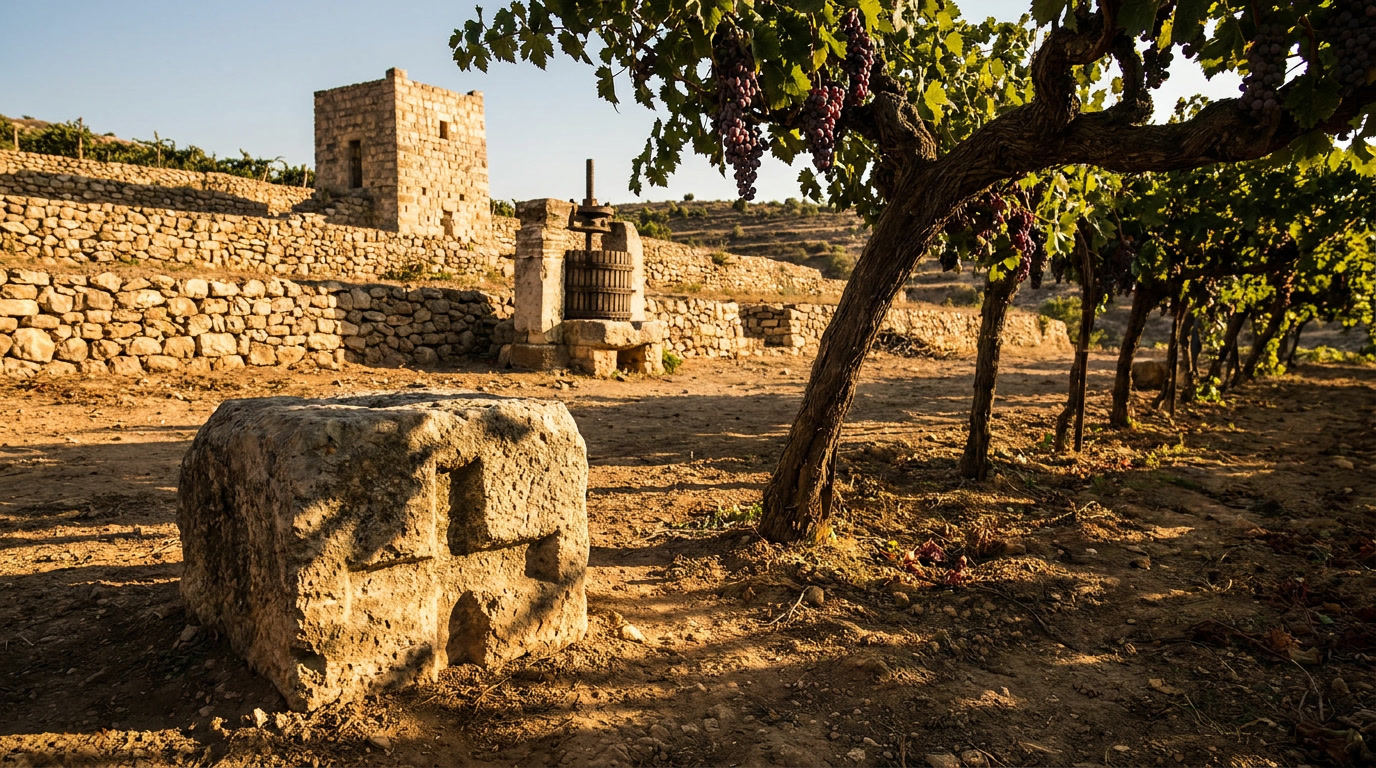
"A man planted a vineyard, put a hedge around it, dug a wine press, and built a tower. Then he leased it to tenant farmers and left on a journey... He had one other to send, a beloved son. He sent him to them last of all, thinking, 'They will respect my son.' But those tenants said to one another, 'This is the heir. Come, let us kill him, and the inheritance will be ours.'" - Mark 12:1-12
The parable of the wicked tenants pierces through pretense with surgical precision. Christ speaks these words directly to the religious leaders who would soon orchestrate His death. The vineyard owner's patience stretches across generations. Servant after servant meets violence. Yet mercy persists until the final gift: the beloved son.
God's Patient Pursuit Through History
The vineyard represents Israel, carefully planted and tended by the Lord. The hedge, wine press, and tower speak of divine protection and provision. God's people received every blessing needed to bear fruit.
The tenant farmers embody religious leadership that forgot their role as stewards. They began treating God's gifts as personal property. Prophet after prophet came calling for the fruits of righteousness. Violence became their response to divine messengers.
Saint Justin Martyr, whose feast we celebrate today, understood this pattern well. He saw how God's patience extends even to those who resist His word. Like the vineyard owner, the Father keeps sending messengers of truth, hoping for conversion rather than condemnation.
The Beloved Son's Mission
"They will respect my son." These words reveal the heart of the Father. Even knowing what awaited His beloved, He sent Christ with hope for human hearts to change.
The tenants' logic exposes humanity's fundamental rebellion. "Kill the heir and the inheritance becomes ours." Sin always promises ownership of what belongs to God alone. It whispers lies about independence from divine authority.
Christ knew this parable described His own fate. The religious leaders would cast Him outside Jerusalem's walls, just as the tenants threw the son's body beyond the vineyard. Yet He spoke these words not in anger but as final invitation to repentance.
From Rejection to Cornerstone
"The stone that the builders rejected has become the cornerstone." Christ quotes Psalm 118 to transform tragedy into triumph. What appears as ultimate defeat becomes the foundation of God's new temple.
The rejected stone imagery runs deep through Scripture. Builders discard stones that seem flawed or unsuitable. Yet God's choice often confounds human wisdom. The stone deemed worthless becomes essential for structural integrity.
This reversal echoes throughout salvation history. Joseph's brothers' betrayal leads to Egypt's salvation. David's anointing as king seems impossible to those who see only a shepherd boy. The cross appears as failure until Easter reveals divine victory.
Living as Faithful Stewards
The parable confronts our stewardship of God's gifts. Every talent, relationship, and opportunity comes as divine trust. The question remains: do we bear fruit for the owner or grasp for control?
Saint Justin's martyrdom demonstrates faithful stewardship. He used his philosophical gifts to defend the faith, knowing the cost. When faced with choosing between compromise and truth, he chose the way of the prophets who came before.
The vineyard still requires tending. God continues seeking fruit from His people. Through lectio divina, this parable can penetrate our hearts, revealing areas where we resist divine authority.
Pray With This Reading
This passage calls for deep personal examination. Consider praying with this Gospel through Ignatian Contemplation. Place yourself in the vineyard scene. Are you among the tenants, the servants, or perhaps standing with Christ as He tells this story? Allow the Spirit to illuminate areas of your life where faithful stewardship needs renewal.
What does the vineyard represent in Jesus's parable?
The vineyard symbolizes Israel and God's covenant people. The careful preparation—hedge, wine press, tower—represents divine blessing and protection. God established His people with everything needed to bear spiritual fruit.
Why did Jesus tell this parable to the religious leaders?
Christ addressed this parable directly to chief priests, scribes, and elders who were plotting against Him. The parable served as both warning and final invitation to repentance, revealing their role in salvation history's climactic moment.
How does the rejected stone become the cornerstone?
This refers to Christ's death and resurrection. What appeared as ultimate rejection—crucifixion outside the city—became the foundation of God's new covenant. Human judgment proved wrong; divine wisdom prevailed through apparent defeat.