
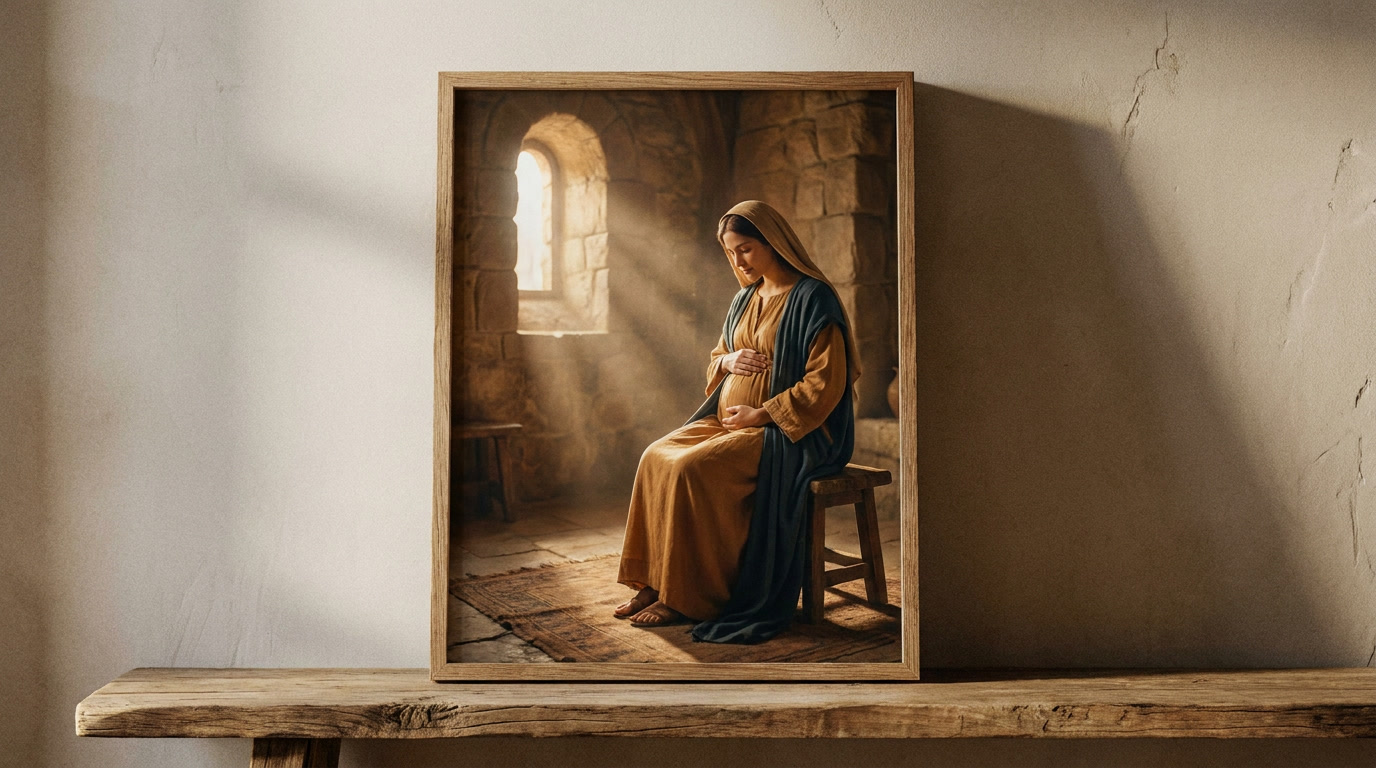
Jesus said to his disciples: "Amen, amen, I say to you, you will weep and mourn, while the world rejoices; you will grieve, but your grief will become joy. When a woman is in labor, she is in anguish because her hour has arrived; but when she has given birth to a child, she no longer remembers the pain because of her joy that a child has been born into the world. So you also are now in anguish. But I will see you again, and your hearts will rejoice, and no one will take your joy away from you. On that day you will not question me about anything. Amen, amen, I say to you, whatever you ask the Father in my name he will give you." — John 16:20-23
Christ speaks these words knowing what lies ahead. The Cross. The tomb. The disciples' terror and despair. Yet He speaks not of avoiding suffering, but of its transformation. In John 16:20-23, Jesus reveals how divine joy emerges from human anguish, promising a reversal that defies worldly logic.
The Promise of Transformed Grief
"You will weep and mourn, while the world rejoices." Jesus does not promise His followers an easy path. The world celebrates what appears to be His defeat, while the disciples face crushing sorrow. This pattern repeats throughout salvation history — the faithful often find themselves grieving what the world celebrates and celebrating what the world mourns.
The saints understood this paradox. Saint John of the Cross wrote of the dark night of the soul, where apparent abandonment becomes the doorway to deeper union with God. When we engage with Scripture through St. John of the Cross Method, we learn to find God in darkness, trusting that our current anguish serves a greater purpose.
"But your grief will become joy." This transformation is not mere consolation — it is resurrection. The Greek word for "become" suggests not replacement but metamorphosis. Grief itself is transfigured, becoming the very source of unshakeable joy.
The Labor of New Life
Jesus chooses the image of childbirth deliberately. Labor represents intense suffering with purpose. The woman in travail endures pain that seems overwhelming, yet this same pain brings forth new life. The anguish is not meaningless — it is creative, generative, necessary.
This metaphor illuminates the paschal mystery. Christ's passion was not merely suffering endured but new life birthed. The Cross became the labor pains of salvation. Through His anguish, eternal joy entered the world.
In our own lives, seasons of spiritual labor often precede breakthrough. Loss, illness, betrayal — these experiences can become birthplaces of grace when united with Christ's passion. The key lies not in avoiding pain but in trusting its transformative power.
Joy That Cannot Be Taken
"No one will take your joy away from you." This promise distinguishes Christian joy from worldly happiness. Happiness depends on circumstances; joy flows from union with the Risen Christ. Martyrs sang hymns in prison. Saints found peace in persecution. Their joy remained untouchable because it was rooted in divine love.
Saint Thérèse of Lisieux discovered this secret during her final illness. Consumed by tuberculosis yet radiant with peace, she demonstrated joy that transcended suffering. Her approach to prayer, known as St. Thérèse's Little Way, teaches us to find God's love in every moment, especially the difficult ones.
This joy is eschatological — it belongs to the age to come but breaks into the present through faith. When we taste it, we understand why Jesus calls it permanent. Death cannot touch it. Persecution cannot diminish it. Time cannot erode it.
Prayer in His Name
"Whatever you ask the Father in my name he will give you." This stunning promise concludes Jesus' teaching on transformed sorrow. Prayer in Christ's name means more than using His title — it means praying from within His heart, aligned with His will.
When we pray "in His name," we unite our desires with His. We ask for what He would ask. We seek what advances His kingdom. This is why such prayer is always answered — not because we manipulate God, but because we have learned to want what God wants.
The disciples will discover this power after Pentecost. Their prayers will heal the sick, convert hearts, and build the Church. But first, they must pass through the valley of anguish, trusting Christ's promise that joy awaits on the other side.
Pray With This Reading
This passage invites deep contemplation of Christ's passion and resurrection. Consider spending time with Ignatian Contemplation, placing yourself among the disciples as they hear these words. Feel their confusion, their fear, their gradual understanding as events unfold. Let Christ's promise of unshakeable joy take root in your heart.
Frequently Asked Questions
What does it mean that grief will become joy in John 16:20-23?
Jesus promises that the disciples' sorrow over His death will be transformed into joy through His resurrection. This transformation is not mere replacement but metamorphosis — grief itself becomes the source of deeper joy rooted in eternal life with Christ.
How can we find joy in suffering like Jesus describes?
Christian joy differs from happiness because it flows from union with the Risen Christ rather than circumstances. By uniting our sufferings with Christ's passion and trusting in His resurrection, we can experience joy that transcends pain and cannot be taken away.
What does it mean to pray in Jesus' name according to this Gospel passage?
Praying "in His name" means more than using Christ's title — it means praying from within His heart, aligned with His will. When our prayers flow from this union, they are always answered because we desire what God desires for our salvation and His glory.