
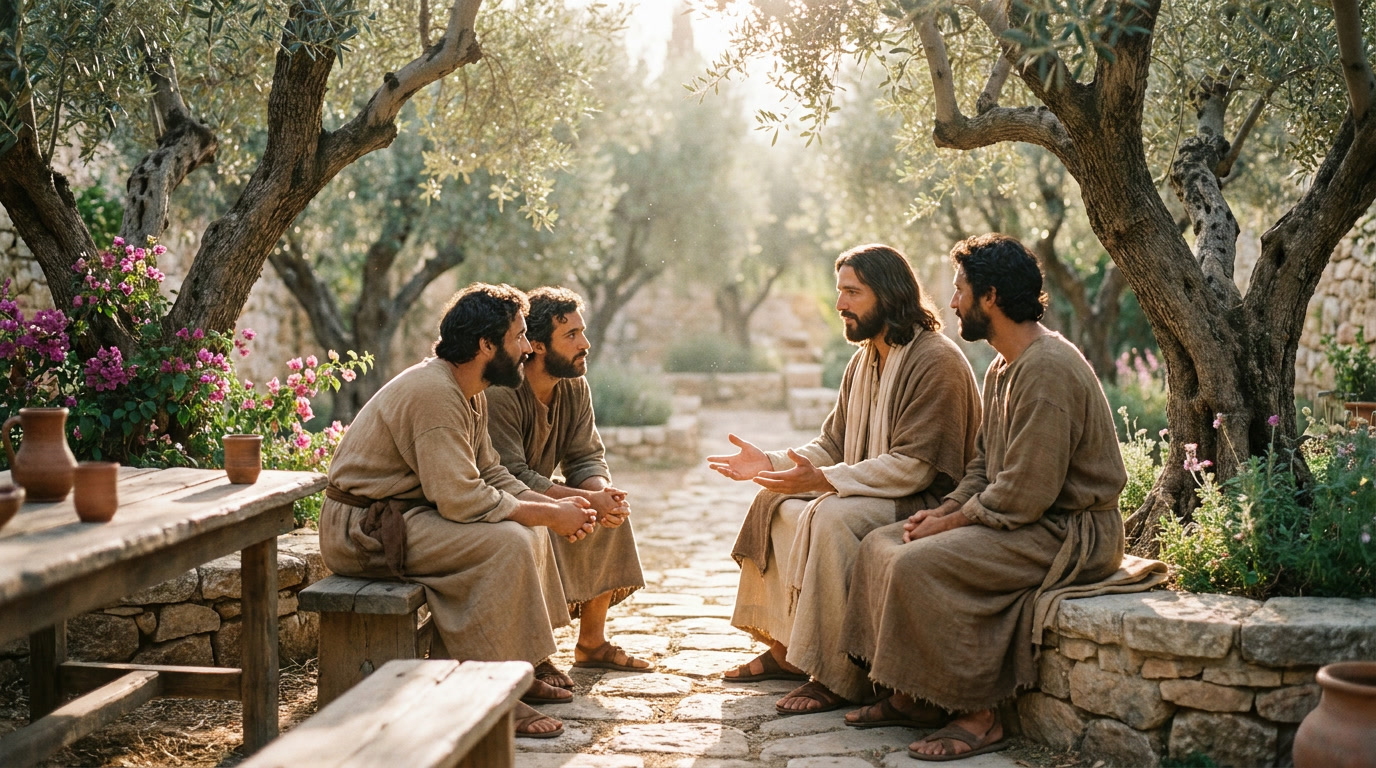
"As the Father has loved me, so have I loved you; abide in my love. If you keep my commandments, you will abide in my love, just as I have kept my Father's commandments and abide in his love. These things I have spoken to you, that my joy may be in you, and that your joy may be full. This is my commandment, that you love one another as I have loved you. Greater love has no man than this, that a man lay down his life for his friends. You are my friends if you do what I command you. No longer do I call you servants, for the servant does not know what his master is doing; but I have called you friends, for all that I have heard from my Father I have made known to you. You did not choose me, but I chose you and appointed you that you should go and bear fruit and that your fruit should abide; so that whatever you ask the Father in my name, he may give it to you. This I command you, to love one another."
John 15:9-17
On the feast of St. Matthias, the apostle chosen to replace Judas, Christ's words about being chosen resonate with particular power. Jesus reveals the heart of divine friendship in John 15:9-17, calling his disciples—and us—from servanthood into the intimate circle of divine love. This passage illuminates not merely duty, but the profound relationship God desires with each soul.
The Divine Pattern of Love
"As the Father has loved me, so have I loved you." Jesus establishes the eternal pattern of love that flows from the Trinity into our hearts. This love is not sentiment but covenant—steady, sacrificial, transforming. The Father's love for the Son becomes the measure and manner of Christ's love for us.
St. John Chrysostom teaches that this love surpasses human understanding because it mirrors the perfect love within the Godhead itself. When Jesus commands us to "abide" in this love, he invites us into the very life of the Trinity. The Greek word menō suggests not a temporary visit but a permanent dwelling place.
The commandments become not burdens but pathways deeper into divine intimacy. As Christ kept his Father's commandments and remained in perfect love, our obedience becomes participation in this eternal exchange of love.
From Servants to Friends
The transformation Jesus announces staggers the soul: "No longer do I call you servants... I have called you friends." In ancient culture, this elevation was radical. Servants received orders; friends received confidences. Christ shares not merely commands but the very secrets of his Father's heart.
St. Matthias exemplifies this friendship. Called to apostleship after Christ's ascension, he received not just a position but participation in the divine mission. The early Church saw in his selection the ongoing work of Christ choosing souls for intimate friendship and fruitful service.
This friendship demands response. "You are my friends if you do what I command you." Divine friendship flourishes not through emotional warmth alone but through faithful love expressed in action. The friend of Christ becomes a co-worker in the vineyard of souls.
Chosen for Fruitful Love
"You did not choose me, but I chose you and appointed you that you should go and bear fruit." The initiative belongs entirely to Christ. His choosing precedes our response, his appointment our availability. This divine election brings both dignity and responsibility.
The fruit Christ expects is love—love that mirrors his own self-giving. "Greater love has no man than this, that a man lay down his life for his friends." This laying down need not always be martyrdom. Daily deaths to selfishness, patient service, forgiveness freely given—these too express the love that lays down life.
St. Matthias bore this fruit through decades of apostolic labor. Tradition holds that he preached in Ethiopia and faced martyrdom for the Gospel. His fruitfulness flowed from his friendship with Christ, nurtured through prayer and sustained by divine choosing.
The Command to Love
The passage begins and ends with the same imperative: love one another. This repetition signals its central importance. The love Jesus commands is not mere affection but the costly love of the Cross. Such love chooses the good of the other even when it demands sacrifice.
This commandment becomes possible only through abiding in Christ's love. Human effort alone cannot sustain such love. But souls anchored in divine friendship find strength for love that humanly seems impossible. The saints witness to this supernatural love lived out in ordinary circumstances.
The promise attached to this command offers hope: "Whatever you ask the Father in my name, he may give it to you." Prayer flowing from the friendship of Christ carries extraordinary power because it springs from hearts aligned with divine will.
Pray With This Reading
This passage invites deep contemplation of Christ's friendship and our response to divine choosing. Consider engaging with this Gospel through Ignatian contemplation, placing yourself among the disciples as Jesus speaks these words of intimate friendship.
Allow the Spirit to reveal what it means to be chosen, to be called friend, to bear lasting fruit through love. St. Matthias's example reminds us that divine choosing continues to work in every generation, calling ordinary souls to extraordinary friendship with the living God.
Frequently Asked Questions
What does it mean to abide in Christ's love?
To abide means to make our permanent dwelling place in Christ's love through prayer, obedience to his commands, and trust in his faithfulness. It suggests not occasional visits but continuous communion with divine love.
How does Jesus call us from servants to friends?
Christ elevates us from servants who merely receive orders to friends who share in his intimate knowledge of the Father's will. This friendship is based on love, trust, and participation in his divine mission rather than mere duty.
What kind of fruit does Christ expect from his chosen ones?
The primary fruit Christ desires is love—love expressed through self-sacrifice, service to others, and participation in his redemptive work. This fruit must "abide," meaning it should have lasting spiritual value beyond temporary achievements.