
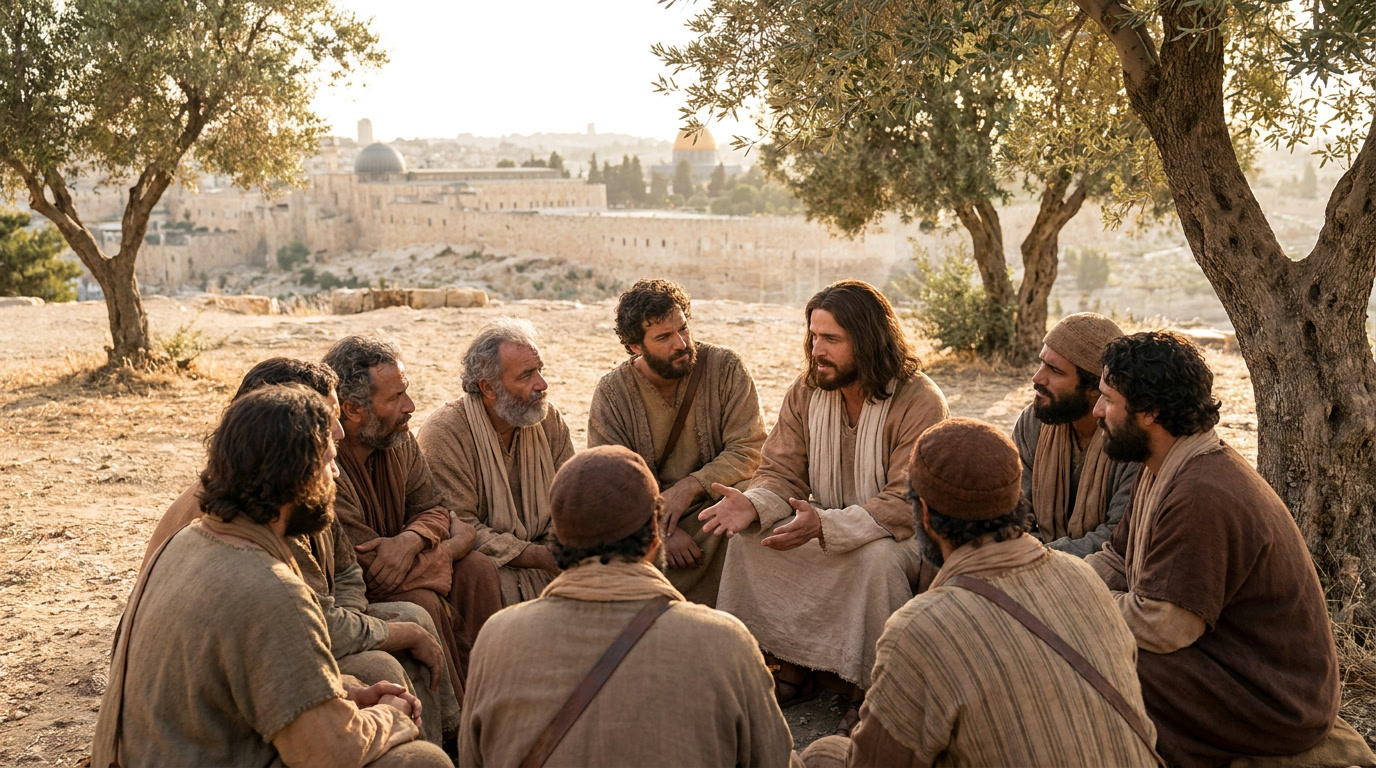
"This is my commandment: love one another as I love you. No one has greater love than this, to lay down one's life for one's friends. You are my friends if you do what I command you. I no longer call you slaves, because a slave does not know what his master is doing. I have called you friends, because I have told you everything I have heard from my Father. It was not you who chose me, but I who chose you and appointed you to go and bear fruit that will remain, so that whatever you ask the Father in my name he may give you. This I command you: love one another."
— John 15:12-17
In this Gospel passage, Jesus elevates his disciples from servants to friends through his radical commandment of love. The transformation occurs not through human effort but through divine invitation. Christ reveals the heart of discipleship: sacrificial love that mirrors his own.
From Servants to Friends: A Divine Elevation
Jesus draws a stark contrast between slavery and friendship. Slaves work without understanding. Friends share in the master's confidence. This shift represents the new covenant — no longer bound by law alone, but invited into intimate relationship with the Father through the Son.
The disciples did not earn this friendship through perfect obedience. Christ chose them first. This divine initiative reveals grace at work before human response. Saint John Chrysostom reminds us that God's love precedes our love, making our love possible.
The Measure of Love: Laying Down One's Life
Christ defines love not by emotion but by action. The greatest love involves self-sacrifice. This does not necessarily mean martyrdom, though it may. More often, it means the daily dying to self that allows others to flourish.
Saint Maximilian Kolbe embodied this truth when he offered his life for a stranger in Auschwitz. Yet countless unknown saints live this same love in quiet service — parents sacrificing for children, caregivers tending the sick, teachers pouring themselves out for students.
The commandment to love as Christ loves us sets an impossible standard by human measure. Only through grace can such love take root in the human heart.
Chosen and Appointed: Purpose in Divine Election
Jesus explains the purpose of this divine friendship: bearing fruit that remains. The disciples are not chosen for privilege but for mission. Their friendship with Christ propels them outward in service to others.
This fruit manifests in various ways — conversion of hearts, acts of mercy, growth in holiness. Saint Thérèse understood this when she wrote of her Little Way, recognizing that even small acts of love bear eternal fruit when offered to God.
The promise attached to this mission — "whatever you ask the Father in my name" — does not guarantee material blessings. Rather, it assures that prayers aligned with God's will receive divine response. The friends of Jesus pray as Jesus prayed.
The Continuing Command: Love One Another
Christ bookends this passage with the same command: love one another. Repetition emphasizes priority. This love flows from the disciples' relationship with Christ and extends to their relationships with each other.
The early Christian communities struggled to live this reality. Paul's letters reveal tensions, divisions, and failures. Yet the command remains. Each generation must discover anew how to love as Christ loves.
This love transcends natural affection. It embraces enemies, forgives injuries, and seeks the good of others even at personal cost. Only friendship with Christ makes such love possible.
Pray With This Reading
This Gospel passage invites deep contemplation of our relationship with Christ. Consider exploring this reading through Ignatian Contemplation, placing yourself among the disciples as Jesus speaks these words. Allow the weight of his invitation to friendship to settle in your heart.
Frequently Asked Questions
What does it mean to be friends with Jesus?
Friendship with Jesus means sharing in his confidence, knowing the Father's will, and participating in his mission of love. Unlike servants who obey without understanding, friends receive insight into God's purposes and respond with informed love.
How can we love as Jesus loved us?
We love as Jesus loved by sacrificing our own interests for others' good, forgiving freely, and seeking to serve rather than be served. This supernatural love requires grace and grows through prayer, the sacraments, and practice.
What fruit should Christians bear?
The fruit Christians bear includes conversion of hearts, acts of mercy, growth in holiness, and the spread of God's kingdom. This fruit manifests differently in each person's life but always serves God's glory and others' salvation.