
"My sheep hear my voice; I know them, and they follow me. I give them eternal life, and they shall never perish. No one can take them out of my hand." - John 10:27-28
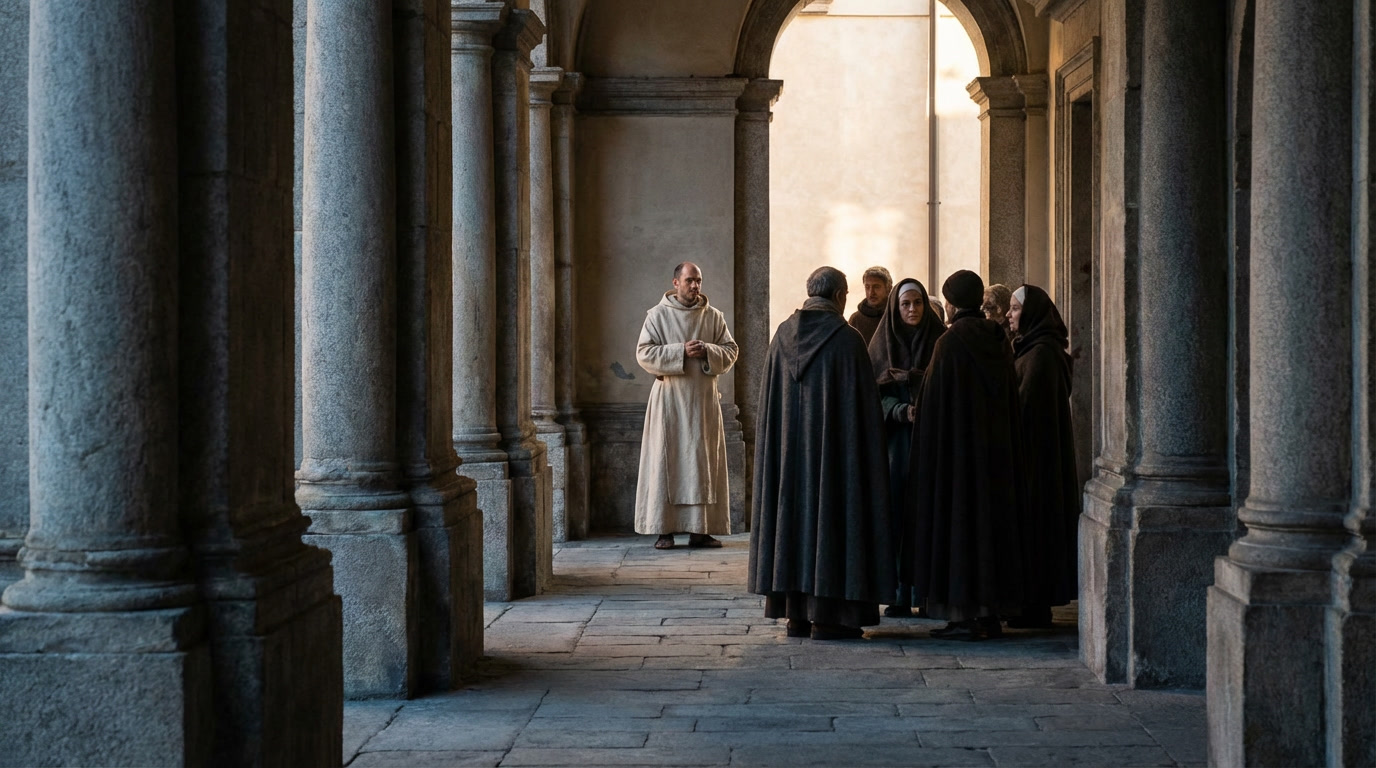
In the cold of winter, beneath the covered walkways of Solomon's Portico, Jesus faces a familiar challenge. Religious leaders demand clarity: "If you are the Christ, tell us plainly." Yet Christ's response in John 10:22-30 reveals something profound about divine revelation and the nature of faith itself.
The Question of Recognition
The religious authorities press Jesus for a direct answer about his identity. Their demand seems reasonable—why not speak plainly? Yet Jesus points to something deeper than verbal declarations. His works bear witness. The blind see, the lame walk, the dead rise. Creation itself testifies to the Creator's presence.
This pattern echoes throughout salvation history. God reveals himself through action before words, through presence before proclamation. The same God who led Israel through the wilderness now walks among them in human flesh.
Hearing the Shepherd's Voice
Christ identifies the real issue: "You do not believe, because you are not among my sheep." This strikes at the heart of spiritual recognition. Faith involves more than intellectual assent—it requires the capacity to hear Christ's voice amid the noise of competing claims.
The sheep know their shepherd's voice through relationship, through daily encounter. They follow not because they understand every mystery, but because they trust the one who calls. This intimate knowledge transforms how believers approach prayer and Scripture. Through lectio divina, the soul learns to distinguish Christ's voice from the clamor of worldly concerns.
The Security of Divine Love
Jesus offers his followers a promise that transcends earthly securities: "No one can take them out of my hand." This divine guarantee does not promise freedom from suffering, but something greater—the assurance that nothing can separate believers from God's love.
Saint John of the Cross, master of the spiritual life, knew this security intimately. Even in the dark night of the soul, when feelings and consolations disappear, the objective reality of Christ's grip remains firm. The Father's hand holds what Christ has claimed.
Unity with the Father
The passage culminates in Christ's declaration: "The Father and I are one." This unity provides the foundation for every promise Jesus makes. His sheep rest secure not merely in human protection, but in the very life of the Trinity.
This oneness invites believers into participation in divine life itself. Through contemplative prayer, the soul enters into this mystery of unity, discovering its own calling to oneness with God.
Pray With This Reading
This passage calls for quiet contemplation of Christ's voice in personal prayer. The Ignatian method of contemplation allows the soul to enter the scene, to hear Christ's words spoken directly to the heart. Place yourself in Solomon's Portico. Listen for the Good Shepherd's voice calling your name.
What does it mean that Jesus' sheep hear his voice?
Hearing Christ's voice involves spiritual recognition that develops through relationship and prayer. Believers learn to distinguish his call through Scripture, sacraments, and the movements of the Holy Spirit in daily life.
How can we find security in Christ's promise of protection?
Christ's promise of security rests not in freedom from earthly troubles, but in the guarantee that nothing can separate believers from God's love. This divine protection encompasses eternal life and spiritual safety.
Why didn't Jesus answer the religious leaders directly?
Jesus had already revealed his identity through his works and words. The leaders' inability to recognize him revealed not a lack of clarity, but their spiritual disposition—they were not among his sheep who hear and follow his voice.