
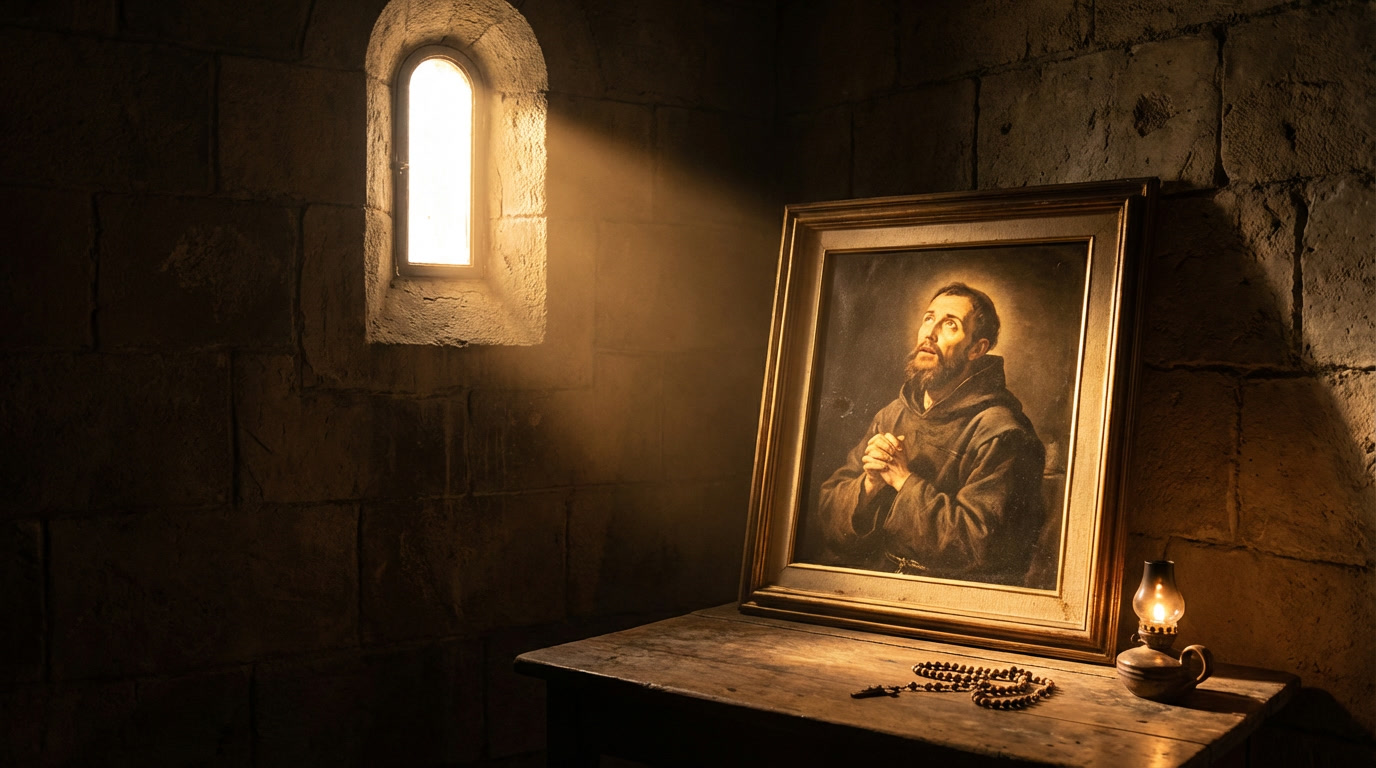
God so loved the world that he gave his only-begotten Son, so that everyone who believes in him might not perish but might have eternal life. For God did not send his Son into the world to condemn the world, but that the world might be saved through him. Whoever believes in him will not be condemned, but whoever does not believe has already been condemned, because he has not believed in the name of the only-begotten Son of God. And this is the verdict, that the light came into the world, but people preferred darkness to light, because their works were evil. For everyone who does wicked things hates the light and does not come toward the light, so that his works might not be exposed. But whoever lives the truth comes to the light, so that his works may be clearly seen as done in God.—John 3:16-21
Christ speaks these words to Nicodemus under cover of night, yet proclaims the dawn that breaks over all creation. In this passage from John's Gospel, the heart of God's salvific plan unfolds with startling clarity. The love that moves the sun and stars has taken flesh to rescue humanity from the shadow of death.
The Gift of Divine Love
"God so loved the world"—these five words contain the entire mystery of salvation. The Father's love extends beyond human comprehension, reaching into the depths of human fallenness with perfect mercy. This divine love does not merely observe from a distance but enters fully into the human condition through the Incarnation.
Saint John Chrysostom reminds us that God's love preceded any human response. The gift of the Son flows from pure divine initiative, not from human worthiness. This love stands as the foundation of our faith and the source of our hope during these Easter weeks.
The phrase "only-begotten Son" emphasizes both the uniqueness of Christ and the costliness of this gift. The Father holds nothing back in His desire to restore fallen humanity to divine friendship.
Salvation, Not Condemnation
Christ's mission carries no hint of divine retribution but overflows with mercy. The Son comes not to judge but to heal, not to condemn but to liberate. This distinction reveals the true nature of God's justice—a justice that seeks restoration rather than punishment.
Yet the passage acknowledges a sobering reality: some choose condemnation by rejecting the light. This self-imposed judgment flows not from divine harshness but from human freedom. The light exposes what lies hidden, and some prefer the familiar darkness to the transforming radiance of truth.
Saint Augustine observed that God's judgment often consists simply in allowing people to choose their preferred dwelling—light or darkness, truth or deception.
The Choice Between Light and Darkness
John's Gospel presents stark contrasts: light and darkness, truth and falsehood, life and death. These are not merely poetic images but describe fundamental spiritual realities that shape every human heart.
"People preferred darkness to light"—this preference reveals the mystery of human sinfulness. Darkness offers concealment for deeds that cannot bear scrutiny. The light of Christ demands transparency, honesty, and the courage to face reality without pretense.
Those who "live the truth" move naturally toward the light. Their works, done in God, need no concealment. They find freedom in exposure to divine truth because their lives align with God's will.
This movement toward light requires ongoing conversion. Ignatian Contemplation invites us to place ourselves within this Gospel scene, asking Christ to illuminate the shadowed corners of our hearts.
Living in Easter Light
During this Easter season, the Church proclaims Christ's victory over darkness and death. This passage from John reminds us that the resurrection light continues to shine, calling each person to choose between the safety of familiar shadows and the adventure of divine truth.
The saints demonstrate what it means to live fully in this light. They chose transparency over concealment, vulnerability over self-protection, truth over comfortable deception. Their lives shine with works clearly done in God.
As Easter people, believers are called to be bearers of this same light. The darkness that once seemed so protective loses its appeal when compared to the radiance of divine love.
Pray With This Reading
This Gospel passage invites deep contemplative prayer. Consider using Lectio Divina to slowly absorb the words "God so loved the world." Allow these words to settle into your heart, revealing new depths of divine mercy and calling you more fully into the light of Christ.
Frequently Asked Questions
What does John 3:16 mean for Catholics?
John 3:16 reveals the heart of Catholic teaching about salvation: God's love is the source of all redemption. The Father's gift of His Son demonstrates divine mercy that surpasses human understanding. Catholics see this verse as foundational to understanding the Incarnation and the sacraments.
Why did Jesus speak about light and darkness?
Christ uses light and darkness as spiritual metaphors to describe the choice between good and evil, truth and falsehood. Light represents God's truth that exposes and transforms, while darkness symbolizes the concealment of sin and rejection of divine grace.
How does this passage relate to Easter?
This Gospel connects directly to Easter themes of resurrection and new life. Christ's triumph over death is the ultimate victory of light over darkness. The Easter season celebrates this definitive defeat of spiritual darkness through Christ's resurrection.